


What is Pulsamento?
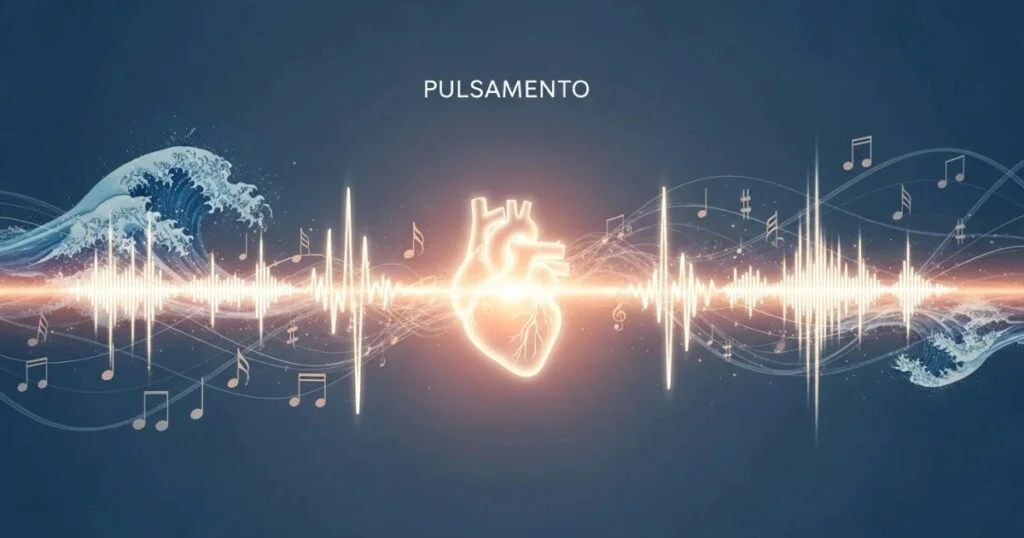
The term pulsamento, derived from the Italian word for pulsation, encapsulates a concept that resonates across various disciplines, including music, art, and nature. At its core, pulsa_mento signifies rhythm and flow—an intrinsic quality of life that can be observed in diverse cycles around us. It reflects the natural patterns found in ecosystems, the temporal structures of musical compositions, and the emotive expressions within artistic creations. As such, pulsa_mento serves not only as a term but also as a vital concept that connects the harmony of existence.
In the realm of music, pulsamento manifests itself through rhythm, dictating the tempo and pace of melodies. Musicians translate this idea into their compositions, allowing the listener to experience an engaging and dynamic auditory journey. The beats and measures create an emotional landscape, inviting us to reflect on our own life’s rhythm and experiences.
Art, too, embodies the concept of pulsamento, where artists harness the power of repetition and variation to instill movement and energy within their works. This can be seen in the way brush strokes may pulse on a canvas, guiding the viewer’s eye across the piece, and evoking emotions that resonate with both the artist’s intention and the audience’s perception.
Pulsamento is also deeply rooted in nature; the change of seasons, the cycle of day and night, and the life cycles of living organisms all exemplify rhythm at play. This constant ebb and flow is not merely observed but is a reminder of the dynamic interplay inherent in our natural surroundings, reflecting a balance that is essential for life.
Ultimately, the concept of pulsamento acts as a bridge connecting various aspects of existence, emphasizing the profound significance of rhythm and cycles as they manifest both artistically and naturally. It invites exploration into how we perceive these patterns, enriching our understanding of life itself.
The Importance of Pulsamento in Different Contexts
Pulsamento, a term that encapsulates the rhythm and beats inherent in various aspects of life, manifests itself profoundly throughout our emotional experiences, interactions, and even in nature. In the realm of human emotions, pulsamento plays a pivotal role by influencing our feelings and responses. For instance, the rhythmic patterns of our heartbeats can be seen as a reflection of our emotional state; rapid pulsations may signify excitement or anxiety, while steady beats can denote calmness and peace. Understanding this connection reveals how pulsa_mento governs our lived experiences.
Furthermore, pulsamento is not limited to personal experiences but extends to the collective rhythms found in daily life. The flow of conversation, the progression of a story, or even the routines we follow all reflect a seamless orchestration of pulsa_mento. These rhythmic elements create a sense of stability and coherence within our communities. They guide us in our daily interactions, whether through the expressive pulse of a group discussion or the regulatory cadence of societal norms.
The significance of pulsamento also echoes in the world of art and music, where rhythm serves as a bridge between creator and audience. Artists often employ pulsa_mento in their work, employing repeated motifs to evoke specific emotions or to signify unity and coherence. In music, pulsa_mento manifests through the tempo and rhythm that can energize or calm listeners, allowing them to connect deeply with the composition. Notable examples include the syncopated beats in jazz, which convey spontaneity and freedom, compared to the structured rhythms found in classical compositions that evoke tranquility. By appreciating these expressions of pulsamento in art and music, we acknowledge its universal importance across cultures and contexts.
Incorporating Pulsamento into Daily Life
To effectively integrate the concept of pulsamento into daily routines, individuals can adopt various practices that promote balance and rhythm. One of the most effective methods is through mindfulness. Mindfulness practices, such as meditation and focused breathing exercises, create a sacred space wherein individuals can connect with their internal rhythms. By dedicating just a few minutes each day to these practices, individuals can enhance their awareness of their own pulsa_mento, thereby cultivating a deeper understanding of their personal rhythms.
Additionally, engaging with nature plays a crucial role in embracing pulsamento. Nature has its own rhythm, observable in the changing seasons and daily cycles. Spending time outdoors—whether through a leisurely walk in the park, hiking in the woods, or simply sitting by a body of water—can help individuals align their internal rhythms with the natural world. This connection serves to remind us of our place within the greater cycle of life and can provide a refreshing perspective that enhances overall well-being.
Moreover, enhancing creativity is another effective way to celebrate and activate pulsamento in daily life. Creative pursuits, whether through art, writing, or music, allow individuals to express their unique rhythmic patterns. Setting aside time for creative activities fosters a space where pulsamento can thrive, encouraging experimentation and exploration. Furthermore, engaging in collaborative creative projects can amplify one’s pulsamento by introducing new beats, perspectives, and inspirations.

Adopting these practices can significantly contribute to personal growth and fulfillment, allowing individuals to actively engage with their pulsamento while finding balance and joy in the cadence of everyday life.
The Future of Pulsamento: Trends and Cultural Reflections
The concept of pulsamento, which embodies the rhythm and flow of life, is poised to evolve in response to emerging trends in art, music, and lifestyle. As individuals increasingly seek to foster connections with themselves and their environments, the interpretation of pulsa_mento will likely gain further prominence. This evolution reflects real-time responses to societal changes and the pursuit of deeper understanding in everyday experiences.
In the realm of art, artists are delving into the transient nature of existence, utilizing pulsamento as a key theme. Contemporary installations often incorporate sound and movement, reflecting the dynamic interplay of life’s rhythms. Through interactive art, audiences can engage with the concept of pulsamento, creating a shared experience that highlights the fluctuation of emotions and thoughts. This trend underscores an ongoing desire for connection, both with the artwork and with one another.
Moreover, the music industry is embracing pulsamento through genre-blending and the inclusion of organic rhythms that resonate with listeners on a fundamental level. Musicians are experimenting with various elements, emphasizing heartbeat-like beats that evoke emotional responses. This focus on pulsa_mento allows for a more immersive auditory experience, one that nurtures a sense of community among listeners and performers alike.
Furthermore, the rising interest in mindfulness and wellness is amplifying the relevance of pulsamento in lifestyle choices. Meditation practices often emphasize breathing patterns that align with one’s natural rhythm, fostering a deeper connection to oneself and enhancing overall well-being. As individuals prioritize self-care, the appreciation for pulsa_mento as a guiding principle will likely continue to grow.
As the future unfolds, pulsamento will remain a relevant and transformative concept in various facets of culture. By recognizing its impact on art, music, and personal lifestyles, society can cultivate deeper connections and a greater understanding of the intricate rhythms that define human experience.
