

Introduction to Iran-Israel Relations
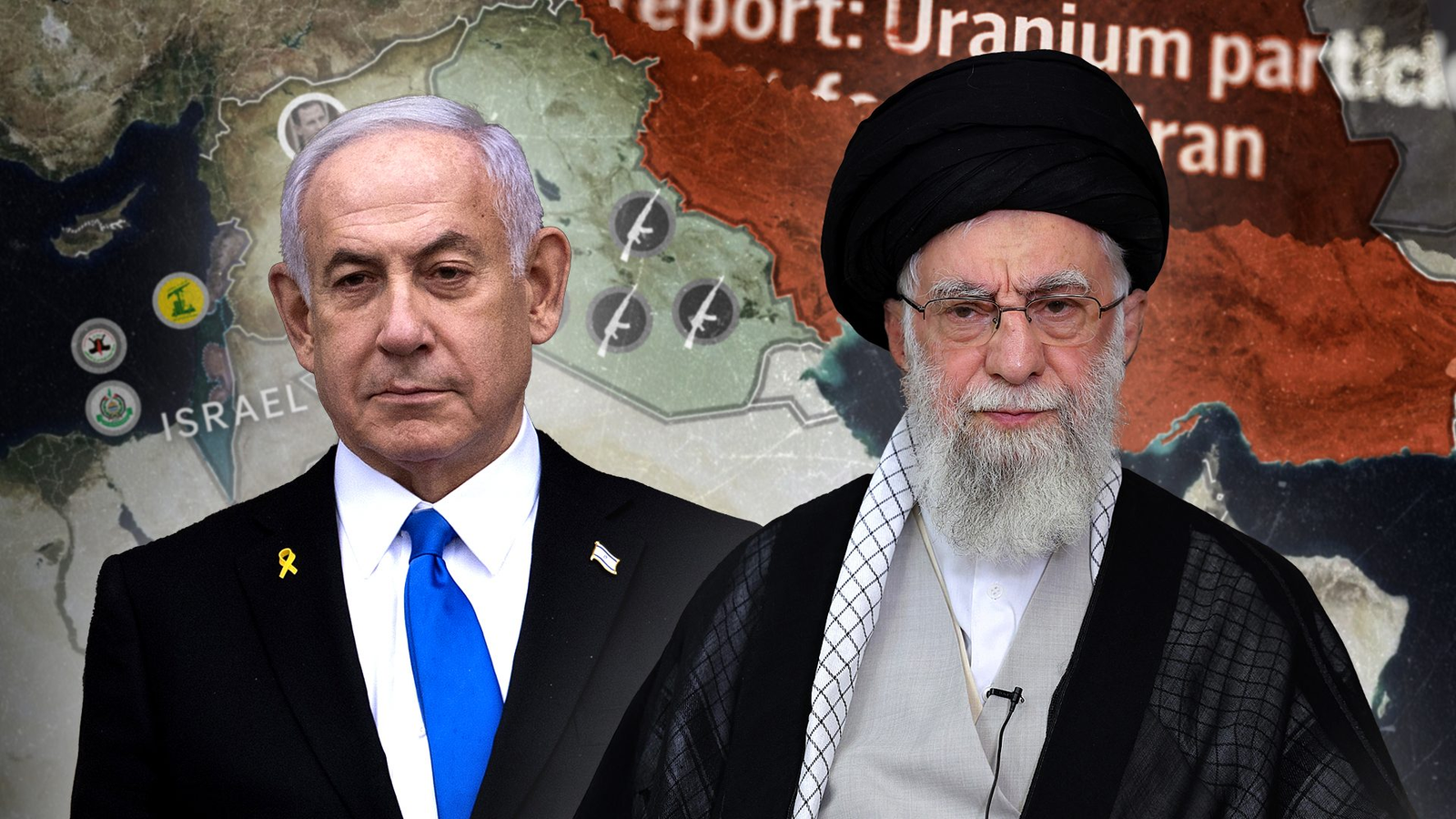
The relationship between Iran Israel news is one marked by significant historical events and evolving geopolitical dynamics. Understanding this complex relationship requires an examination of the various factors that have influenced interactions between the two nations from their inception to the present day.
Initially, Iran and Israel maintained a relatively cordial relationship, particularly during the reign of the Shah of Iran, Mohammad Reza Pahlavi. The two nations cooperated in various sectors, including military and economic affairs, primarily as a bulwark against common adversaries in the Middle East. In the 1970s, the focus on mutual interests was paramount as both countries sought stability in a volatile region.
However, the Islamic Revolution of 1979 marked a significant turning point in Iran-Israel relations, leading to substantial shifts in diplomatic stances. Following the revolution, the new Iranian government adopted a vehemently anti-Israel ideology, which fundamentally altered the dynamics of their relationship. Consequently, Iran has positioned itself as a staunch supporter of various anti-Israel militant groups, most notably Hezbollah and Hamas, further complicating the geopolitical landscape.
The complexities of the Iran-Israel divide are further exacerbated by religious differences, with Israel being predominantly Jewish and Iran primarily Muslim. Additionally, cultural misunderstandings have contributed to the growing animosity. The ongoing disputes over nuclear proliferation have heightened tensions, with Israel openly expressing concerns over Iran’s nuclear ambitions, perceiving them as existential threats.
This intricate web of historical, geopolitical, and religious elements continues to shape the narrative around Iran-Israel news today. As regional and global players become involved, the intricacies of their relationships evolve, demonstrating a persistent struggle for influence and security in the Middle East.
Recent Developments in Iran-Israel News
In recent months, the geopolitical landscape surrounding Iran Israel news has been increasingly tense, with several significant developments highlighted in the latest Iran Israel news. Notably, negotiations regarding Iran’s nuclear program have gained prominence, with intermittent communication between Tehran and world powers. The potential for a renewed nuclear agreement remains uncertain, as both parties continue to grapple with diverging national interests and security concerns.
In terms of military actions, reports have emerged regarding heightened Israeli airstrikes targeting Iranian military sites in Syria. Israel maintains that these operations are crucial for curbing Iranian influence in the region and preventing advanced weaponry from reaching groups such as Hezbollah. Such actions reflect ongoing espionage efforts by both nations, as intelligence-gathering remains a priority for Israel to monitor Iranian movements and capabilities.
Furthermore, tensions escalated following the recent seizure of an Iranian oil tanker by Israeli naval forces. This incident not only underscores the escalating maritime confrontation between the two countries but also raises questions about the legality and implications of such actions under international law. Iran has vowed to take retaliatory measures, heightening fears of a broader conflict that could destabilize the region further.
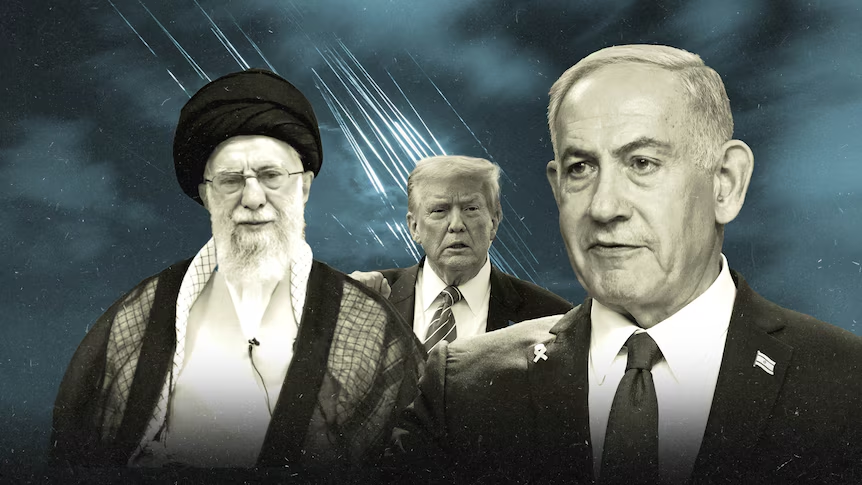
Diplomatic relations also continue to evolve, as various countries express concerns about the potential fallout of these confrontations on regional stability. Countries like the United States and European nations have urged both Iran and Israel to pursue dialogue, recognizing the precarious balance of power at play. The recent Iran Israel news thus illustrates a multifaceted relationship characterized by strategic rivalry and the constant push and pull between military provocations and diplomatic overtures, significantly influencing broader international relations.
Analysis of Iran-Israel News Impact on Global Affairs
The ongoing tensions between Iran and Israel have significant ramifications not only for the Middle East but also for global politics and security. The complex relationship, characterized by longstanding hostilities, has become a focal point for various geopolitical allegiances and strategies, especially among world powers. As reports proliferate in the media regarding the latest developments in Iran-Israel news, the potential repercussions are observed in the actions and rhetoric of key players, particularly the United States.
In recent years, the United States has maintained a critical stance towards Iran, bolstering Israel’s position with military and economic support. This dynamic has implications for diplomatic efforts and alliances, as countries in the region are required to navigate a landscape fraught with uncertainty due to these tensions. The alignment of various Gulf states and other Arab nations with Israel, often termed the “Abraham Accords,” reflects a shifting paradigm, primarily influenced by shared concerns over Iranian actions and ambitions.
Additionally, the fluctuations in Iran-Israel relations impact neighboring countries that either directly or indirectly find themselves caught in the crossfire. The fallout may lead to heightened military engagements, destabilization of existing governments, or increased refugee displacement, all of which contribute to broader security challenges within the region and beyond. Reports from various news outlets indicate that Iran’s nuclear ambitions further complicate this relationship, adding layers to the discourse on international security and non-proliferation.
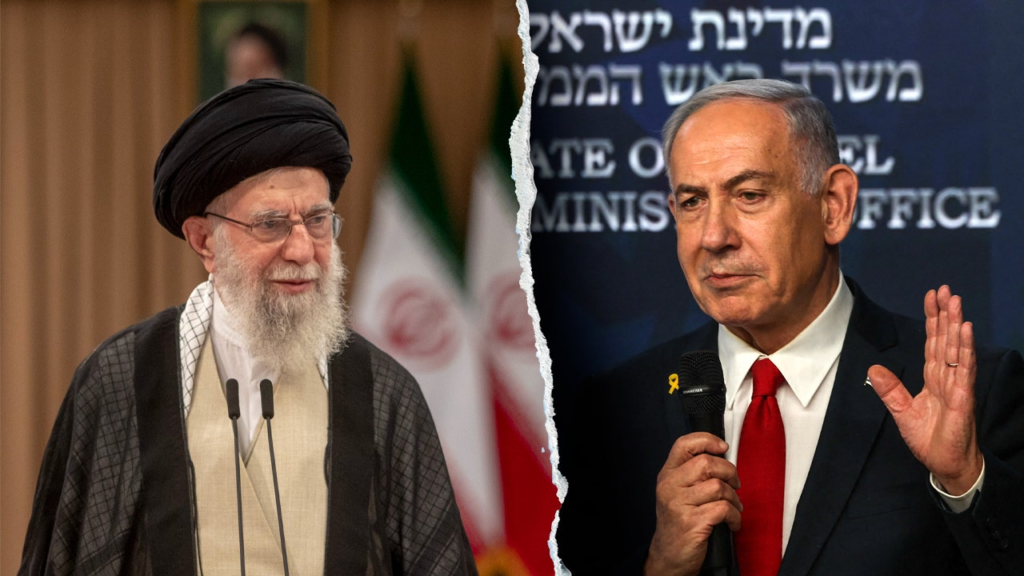
Looking ahead, forecasting the outcomes of this adversarial dynamic remains challenging. Analysts suggest that continued escalation could result in conflict, while an unexpected thaw in relations might pave the way for renewed dialogues. Ultimately, the evolving Iran-Israel news will significantly shape future geopolitical strategies and security considerations worldwide.
Conclusion and Future Outlook
The intricate relationship between Iran and Israel has been shaped by decades of historical, ideological, and geopolitical factors. Throughout this blog post, we have examined the pivotal events that have defined this complex dynamic, including the Iranian Revolution, the Syrian Civil War, and ongoing conflicts in Gaza and Lebanon. The challenges and hostilities rooted in these past events continue to influence Iranian and Israeli policies and public sentiment today.
Experts suggest that the future of Iran-Israel relations is fraught with uncertainty. As the enrichment of uranium remains a contentious issue, military options may lead to further escalation of tensions. Additionally, the role of international actors, particularly the United States, is critical in mediating dialogue and establishing frameworks for possible agreements. Efforts by regional and international powers to contain or mitigate these tensions could impact the trajectory of Iranian and Israeli interactions.
Analysts speculate on the potential for diplomatic engagement. Some argue that backchannel communications or multilateral negotiations could pave the way for reducing hostilities, potentially leading to a more stable regional environment. The implications of achieving such diplomatic breakthroughs would not only affect Iran Israel news but also reverberate throughout the Middle East, influencing relationships with other nations and broader security dynamics.
In conclusion, the landscape of Iran-Israel relations is characterized by entrenched animosity, yet it is also marked by opportunities for dialogue amidst ongoing tensions. Each development within this context is critical to understanding Iran-Israel news, as it ultimately impacts the peace and security of the Middle East and beyond. Policymakers, analysts, and the global community must remain vigilant and engaged as they navigate these complex and evolving relationships.
